

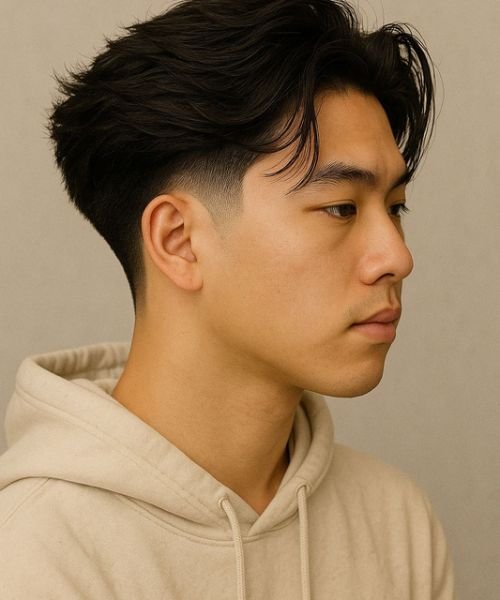
A low taper fade is a clean, understated haircut where the sides and back shorten gradually, starting just above the ears and the nape of the neck. On Asian hair, that soft blend tames dense, coarse strands without making the cut look harsh or overdone.
This guide covers the best styles for straight, thick, wavy, and textured hair, plus face shape advice, barber instructions, styling steps, and upkeep. You will also see how a low taper compares with mid and high fades, so you can sit in any barbershop chair and explain exactly what you want. Every tip below has one goal: a sharp, low-maintenance cut that still looks good three weeks later, whatever your hair type.
What Is a Low Taper Fade for Asian Hair?
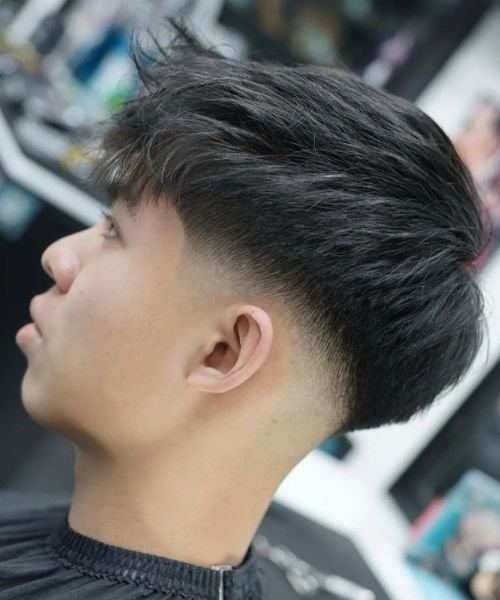
A low taper fade is a short back and sides cut where the hair gets gradually shorter in a small zone around the ears, sideburns, and neckline. Everything above that taper zone stays longer and blends into the top. The word “low” means the shortest point sits near the bottom of the head, so the result looks neat and natural instead of dramatic.
Quick answer: A low taper fade for Asian hair keeps the blend tight around the ears and nape, removes bulk from the sides, and leaves enough length on top for a fringe, quiff, or textured crop.
People often mix up a taper and a fade. A classic taper trims the edges with scissors or clipper-over-comb and rarely reaches bare skin. A fade moves from longer hair to very short hair, and a skin fade ends at the skin. A taper fade borrows from both. You get the smooth gradient of a fade with the softer, more conservative finish of a taper.
That is why so many Asian men like it. For years the options felt limited: a buzz cut, or a long, heavy mop. The low taper fills the gap. It works at school, in an office, and at the gym, and it needs far less daily effort than a high-contrast skin fade.
Low Taper vs Mid vs High Fade
The real difference between these three cuts is where the fade begins. Height changes the contrast, the upkeep, and how bold the haircut looks from the side.
| Fade type | Where it starts | Contrast | Best for | Typical upkeep |
| Low taper | Just above the ears and nape | Soft and subtle | Work, school, first-time fades | Every 3 to 4 weeks |
| Mid taper | Around temple level | Medium | Defined sides, rounder faces | Every 2 to 3 weeks |
| High fade | Near the upper temple or crown | Strong | Bold, high-contrast looks | Every 1 to 2 weeks |
A low taper keeps most of your side hair. That protects the natural shape of your head and lets the cut grow out gracefully. A mid taper removes more length and adds definition. A high fade removes the most and makes the top stand out sharply.
If you want bare skin at the very bottom, ask for a low skin fade by name. A plain skin fade often starts higher than you expect unless you say otherwise.
Low Taper vs Skin Fade
These two terms overlap, which confuses a lot of people. A skin fade, also called a bald fade, always ends at bare skin, and it can start at any height. A low taper stays low on the head, but the shortest point does not have to be bare skin. It can finish at a number one guard, a half guard, or skin, depending on how crisp you want the edge.
Here is a simple way to remember it. Height tells you how far the fade climbs. Finish tells you how short it gets at the bottom. A low taper fade describes a low height, and a skin fade describes a skin finish. You can combine them, and a low skin taper is a popular order for men who want a sharp edge without a bold look.
Skin finishes show regrowth faster, because bare skin turns to stubble within days. If you like a softer look that lasts longer, ask for a guard finish instead.
Why the Technique Suits Asian Hair Density and Texture
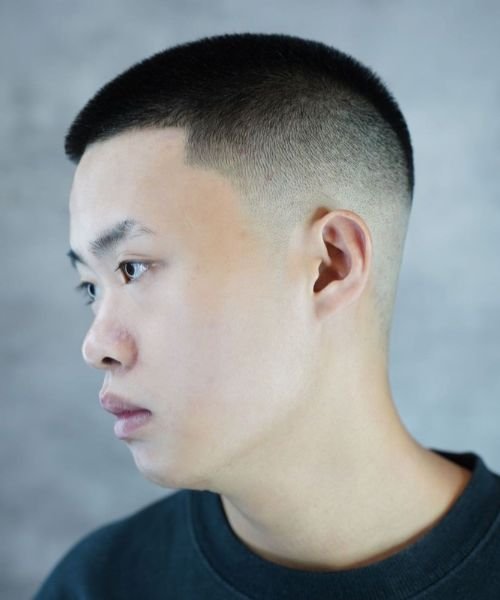
Asian hair often has a thick, round shaft and a straight texture. It also tends to grow outward from the scalp before it falls. When hair density at the sides is high, that outward push widens the silhouette, and you end up with the dreaded mushroom shape.
A low taper fixes this in three ways:
- It removes weight where it matters. Tapering the sides and nape reduces bulk exactly where thick hair pushes out.
- It uses the hair’s clean lines. Straight, coarse hair shows every transition clearly, so a smooth gradient looks sharp and intentional.
- It follows hair growth direction. The taper works with the way your hair grows around the ears and neckline, which keeps the cut tidy as it grows out.
There is one catch. The same straight strands that show a clean blend also expose mistakes. A hard line or a ledge where the taper ends is obvious. A good barber softens that transition with clipper-over-comb work and thins the top only where it is needed.
Check Your Hair Type Before You Book
“Asian hair” covers a lot of ground. Men of Korean, Japanese, Chinese, Filipino, or Vietnamese descent may have stick-straight hair, a soft natural wave, or even tight curls. Four quick checks tell you what you are working with:
- Density. Part your hair and look at how much scalp shows. If you barely see any, your hair density is high.
- Strand thickness. Coarse hair feels wiry between your fingers. Fine hair feels silky and light.
- Growth pattern. Look for cowlicks at the crown and the front hairline. They decide how a fringe falls.
- Wave pattern. Let your hair air dry untouched. Note whether it bends, flips, or stays flat.
Share what you find with your barber. This five-minute check helps pick the guard numbers, the top length, and the amount of thinning.
What a Low Taper Fade Looks Like Before and After
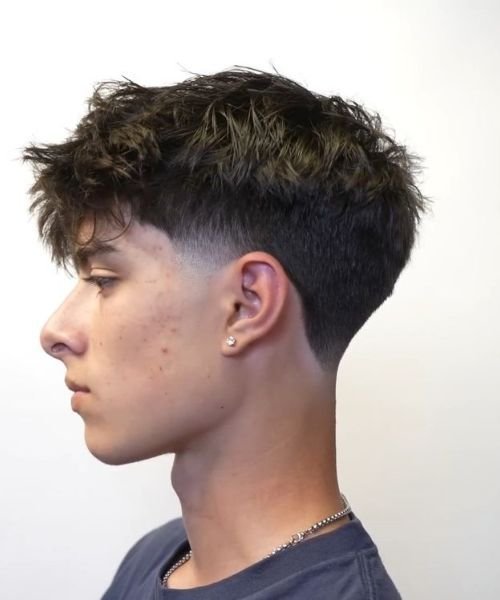
Before the cut, thick hair usually sits heavy around the ears and the back of the head. The sides puff outward, the neckline looks fuzzy, and the top feels like one solid block. Hair may cover the ears and curl at the collar.
After the cut, the sides sit flat and close, the ears are visible, and the neckline looks clean. The top has more shape because it now stands apart from the sides. The face looks slimmer and the whole head looks more balanced. From a distance, most people just think you look sharper. They rarely guess you got a fade.
Best Low Taper Fade Styles for Straight and Thick Hair
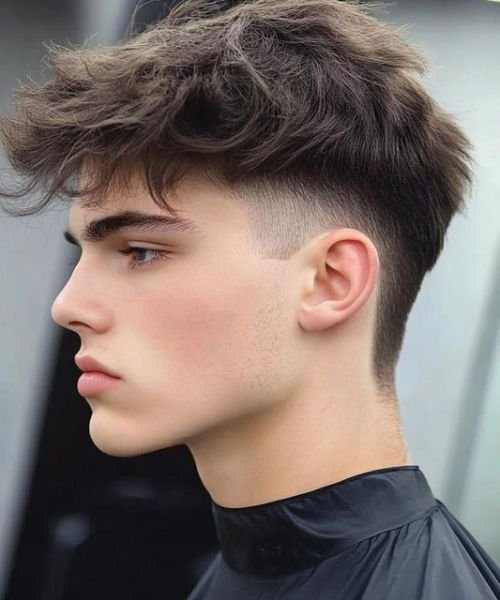
Straight, thick hair holds a shape well, so you have plenty of room to choose. These five styles work especially well:
- Textured crop. A short, choppy top of one to two inches with a blunt forward fringe. Point cutting removes weight so the top does not sit like a helmet.
- Side part. A clean part, a comb, and a little pomade give you a polished look. It suits interviews and office days.
- Slick back. Leave three to four inches on top and comb it back. The tapered sides keep the shape neat, so the top looks deliberate.
- Soft quiff. Lift the front with a blow dryer and set it with matte clay. Ask for shorter layers at the front so the quiff does not flop.
- Korean-style fringe. Longer, see-through bangs over the forehead with slim, tapered sides. The fringe adds softness while the taper keeps the sides light.
Very thick hair needs one extra step. Ask your barber to remove internal weight with thinning shears or texturizing shears, and ask for a light hand. Over-thinned hair looks patchy and sticks up when it dries.
How to Avoid the Shelf and the Mushroom Shape
The two biggest complaints about thick hair are the shelf and the mushroom. A shelf is a visible ledge where the taper ends and the dense top begins. A mushroom is a rounded, puffy top sitting on narrow sides. Five habits prevent both:
- Raise the blend. Ask the barber to carry the taper up past the curve of the head just above the ears, so there is no abrupt step.
- Soften the transition. Clipper-over-comb or razor-over-comb work on the blend zone makes the gradient smooth. Razor work suits some hair, but coarse hair can turn frizzy, so ask your barber what they recommend.
- Thin the top, not the edge. Use texturizing shears on the top to remove internal weight and leave the edges alone.
- Keep enough top length. Dense hair cut too short stands straight up. A little length lets it lie down.
- Dry the sides flat. Blow-dry downward at the sides so they stay slim through the day.
A well-planned low taper fade handles most of this on its own, but your barber still needs the right top length to finish the job.
Low Taper Fade Asian Short Hair
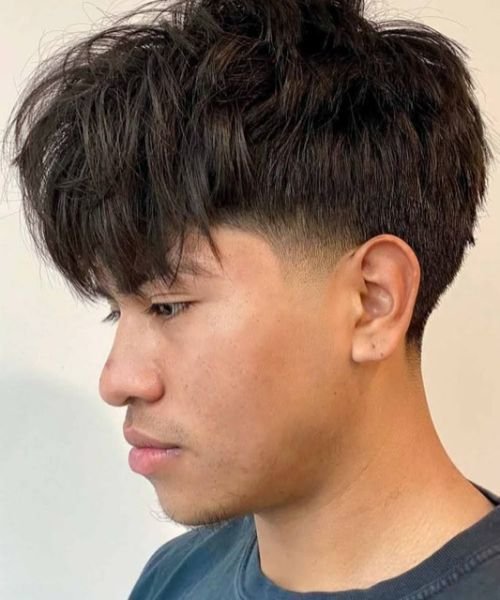
Short hair is where this cut looks its cleanest. With one to two inches on top, there is little to style, and most mornings take five minutes.
Four short options stand out:
- Short textured crop. Messy, matte, and easy. Push the fringe forward with your fingers and you are done.
- Caesar cut. A short, horizontal fringe with tapered sides. It is neat and works well on straight hair.
- Brush-up. Keep the front slightly longer and brush it upward. It adds height without much effort.
- Buzz cut with a taper. Clip the top short and taper the edges. It is the lowest-maintenance version of all.
Short styles need one rule: do not cut the sides too short. If the taper is too aggressive on dense hair, the top looks heavy and boxy. Keep the blend soft and let the top stay slightly longer than the sides suggest.
Short hair also shows growth quickly, but a low taper hides it better than a high fade. At three weeks, it usually still looks tidy.
How the Cut Works on Wavy and Textured Asian Hair
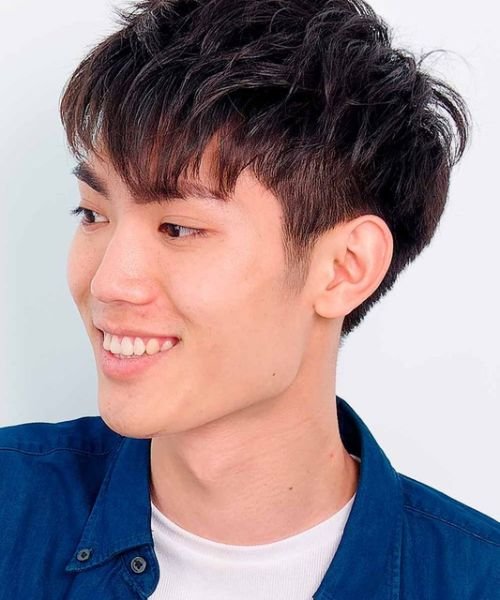
Not all Asian hair is straight. Plenty of men have natural waves, a stubborn cowlick, or a permed top. The low taper still works. You just adjust the plan.
- Leave more length. Waves need weight to show movement. Keep three to four inches on top so the pattern has room to form.
- Check the cut dry. Wavy hair shrinks as it dries. A barber who checks the cut dry avoids surprises.
- Texturize with care. Texturizing shears can reduce bulk, but too much creates frizz and a puffy outline. Ask for light, targeted thinning.
- Choose softer products. Sea salt spray and a light styling cream define waves without making them stiff. Heavy gel works against natural hair movement.
Coarse hair adds another layer. It resists styling and tends to stand up. A little cream before blow-drying keeps it manageable, and a low taper keeps the sides from flaring out.
Some men with very thick hair choose a down perm to relax side volume, or a body perm to add shape on top. Either one pairs well with a low taper, since the clean sides frame the curls and waves. Speak to your barber about it first, because the cut and the perm should be planned together.
Best Styles for Wavy and Textured Tops
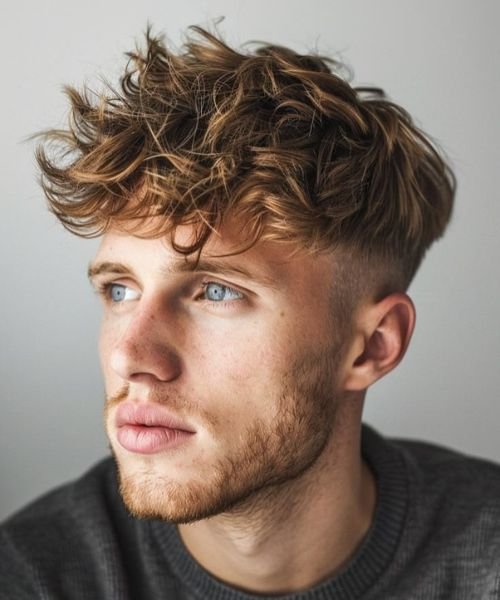
- Messy textured fringe. Let the waves fall forward naturally, trimmed just above the brows.
- Loose quiff. Dry with your fingers or a diffuser so the waves stay soft instead of combed flat.
- Curtain-style top. Keep four inches or more, parted in the middle or slightly off center, with tapered sides. It is a popular medium-length option.
- Permed top. A light perm gives straight hair the same movement, and the taper keeps the shape controlled.
Whatever you pick, ask for a cut that works with your growth direction. Fighting a cowlick with a short fringe is a losing battle.
Choosing a Style for Your Face Shape
The taper stays the same, but the top changes everything. Match the style to your face shape.
Round Face

Go for height and clean sides. A soft quiff or a textured crop with a bit of lift adds length to the face. A mid taper can also add definition, but a low taper still works if the top has volume. Avoid a heavy, flat fringe that makes the face look wider.
Oval Face
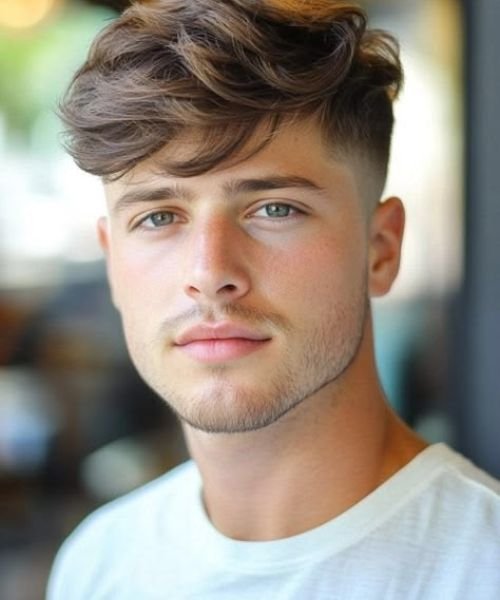
Oval faces suit almost any style. A side part, slick back, or textured fringe all look balanced. Pick the one that fits your hair type and routine.
Square Face
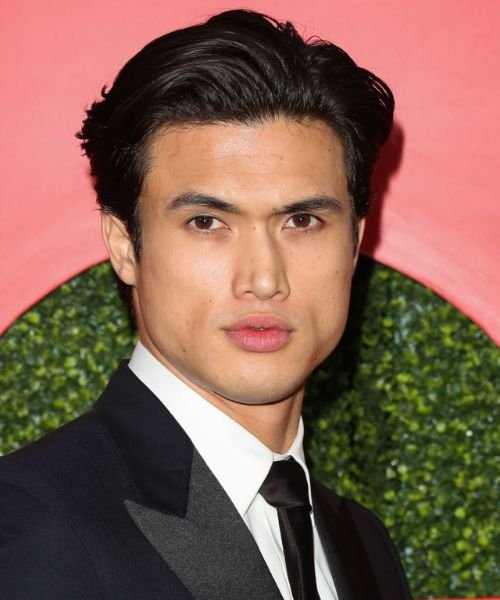
A strong jaw already gives structure. Soften it with a textured top, such as a loose crop or a messy fringe. Skip very sharp, boxy cuts that make the jaw look even harder.
If you wear glasses, keep the fringe short enough to clear the frames. If you have a long face, favor a fringe over a tall quiff.
Long or Oblong Face

Avoid too much height. A fringe or side-swept top keeps the proportions balanced, and a low taper stops the sides from looking too narrow.
Heart or Diamond Face
A softer fringe balances a wider forehead or prominent cheekbones. Keep the sides slightly fuller, which the low taper naturally does.
Low Taper vs Mid Taper: Which Should You Pick?
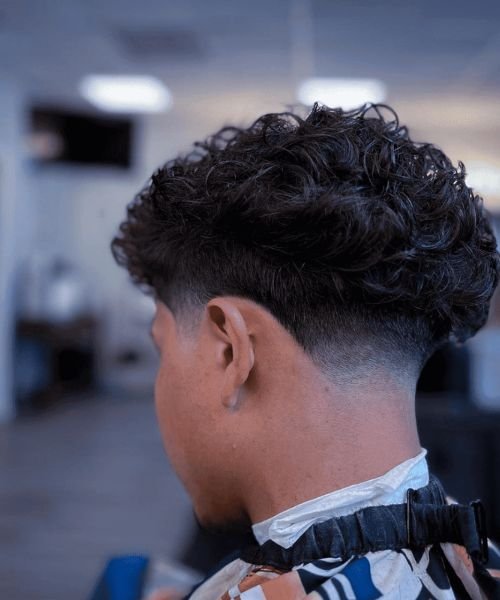
Both cuts look clean. The choice comes down to contrast, lifestyle, and how often you visit the barber.
Choose a low taper if you:
- want a subtle, professional look
- prefer to visit the barber every three to four weeks
- have thick hair and want it to grow out without a harsh line
- are trying a taper for the first time
Choose a mid taper if you:
- want sharper definition on the sides
- have a rounder face and want a bit more edge
- do not mind visiting the barber every two to three weeks
- like a stronger contrast between the top and the sides
For most men with straight, thick hair, the low version is the safer bet. It keeps density near the temples, avoids that shelf look, and costs less time in the chair. A mid taper makes sense when you want more attitude and are happy to maintain it.
Low Taper Fade Asian Hair Men
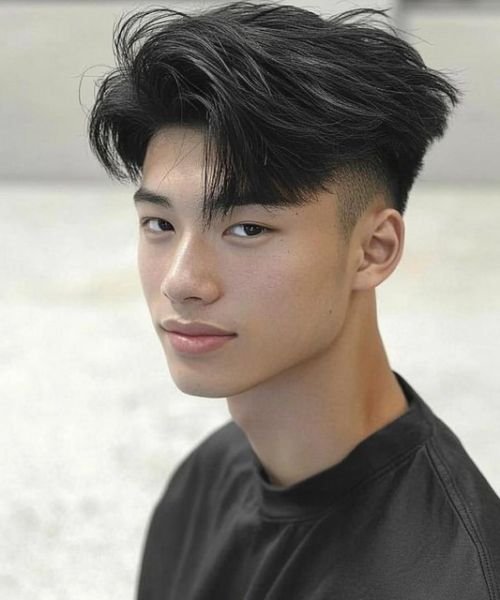
For men, the low taper is popular because it adapts to real life. It looks fine with a suit, a hoodie, or sports gear, and it does not demand much styling.
A few practical points help:
- Sideburns. Keep them tapered, not squared off, for a natural finish. Square sideburns look more formal.
- Beards. A low taper blends easily into short stubble or a trimmed beard. Ask your barber to match the fade line to the beard line.
- Receding temples. A low taper keeps more hair around the temples than a mid or high fade, which many men with a receding hairline find more flattering.
- Hair color. Natural black hair shows the fade clearly. Lighter or highlighted hair softens the contrast, so the taper looks even subtler.
The cut also works for different ages. Teens like it with a messy fringe, and men in their forties and fifties pair it with a side part for a polished, professional look.
Think about where you spend your week. For office days, add a side part and a little pomade. For the gym, a short crop with a light spritz of water works fine. For weekends, a messy fringe with sea salt spray looks relaxed. One haircut, three looks, and none of them needs more than a few minutes.
How to Ask Your Barber for a Low Taper Fade
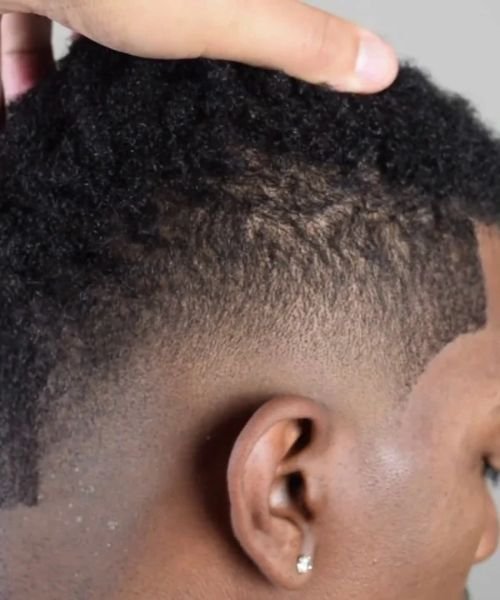
Saying only “give me a taper” can lead to anything. Clear instructions make the difference. Use these steps:
- Name the height. Say “low taper” so the barber knows the fade stays near the ears and nape.
- State the bottom length. Ask for a skin finish, or a number one or one and a half guard at the nape and sideburns. In US clipper guards, a number one equals an eighth of an inch.
- Describe the top length. Use inches or finger widths, such as “about two fingers on top.”
- Choose the neckline. Ask for a tapered neckline, which fades naturally, or a squared one, which looks sharper but grows out harder.
- Mention your growth direction. Point out cowlicks and whorls at the crown so the barber cuts with them.
- Ask for texture. Request texturizing on the top if your hair is thick, and say you want a light touch.
- Bring a photo. A picture removes guesswork, especially if the photo shows a similar hair type.
Here is a script you can use:
“I’d like a low taper fade, starting at a number one at the sideburns and nape, blending up to a number three. Leave two to three inches on top with a textured fringe. Please taper the neckline and keep the sideburns natural.”
If the barber looks unsure, ask for a quick consultation first. Good barbershops welcome that conversation.
Words That Cause Miscommunication
Some everyday phrases mean different things to different barbers. Avoid these traps:
- “Just a fade.” This could mean a high skin fade. Always name the height.
- “Short on the sides.” Give a guard number instead.
- “Natural neckline.” Say “tapered” or “squared” so there is no guessing.
- “Not too short on top.” Use inches or finger widths.
If you are unsure, ask the barber to start longer. Hair can always be cut shorter, but it cannot be put back.
How to Style the Top: Fringe, Quiff, or Textured Crop
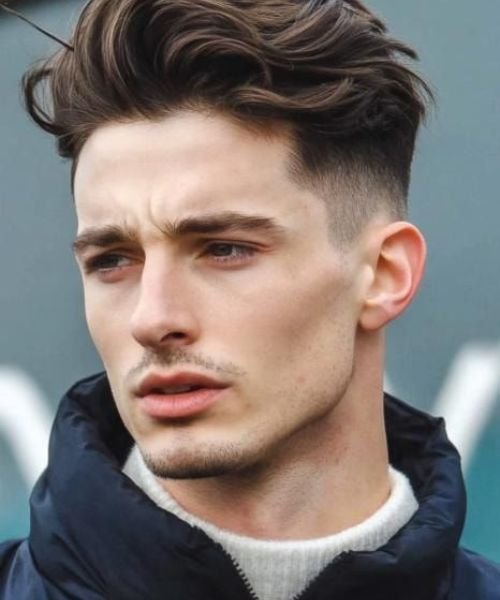
The taper makes the sides tidy. The top gives the haircut its personality. Here are three reliable options.
Fringe
A fringe suits straight hair best. It falls forward over the forehead and softens the face.
- Length: Keep it just above the eyebrows, or slightly longer for a Korean-inspired look.
- Cut: A textured fringe has uneven ends, which gives it a lived-in feel. A blunt fringe looks sharper and more graphic.
- Style: Blow-dry the hair forward with your fingers, then break it up with a pea-sized amount of matte paste.
If your hair is very thick, ask for a few internal layers so the fringe does not sit too heavy.
Also Read This: French Crop Low Taper Fade
Quiff
A quiff adds height and works well on oval and round faces.
- Length: Aim for three to four inches at the front, shorter at the sides and back.
- Style: Apply a mousse or sea salt spray to damp hair. Blow-dry upward and back with a round brush or your fingers, then finish with matte clay.
- Finish: Keep the quiff soft and slightly messy rather than glossy. A hard, shiny pompadour looks dated on most men.
Thick Asian hair has the strength to hold a quiff, but it may resist lifting. Blow-drying at the roots is the key step.
Textured Crop
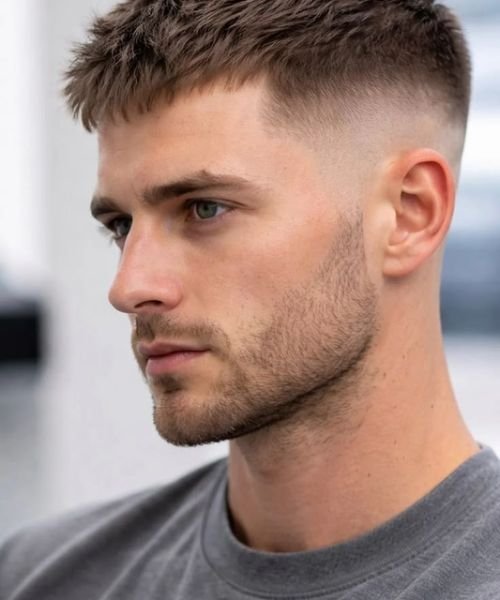
A textured crop is the easiest style to wear.
- Length: One to two inches on top, cut with point cutting for a choppy finish.
- Style: Rub a small amount of matte clay or matte paste between your palms and push the hair forward and slightly to the side.
- Why it works: It hides regrowth, handles windy days, and needs almost no tools.
A Simple Five-Step Styling Routine
- Start with damp hair. Towel dry until no water drips, but leave the hair slightly damp.
- Add a prep product. Use sea salt spray for texture or mousse for volume.
- Blow-dry with direction. Use the nozzle on medium heat and aim the airflow down the hair shaft to keep it smooth.
- Work in your product. Warm a pea-sized amount between your palms and run it through from the roots to the ends.
- Shape and finish. Set the style with your fingers or a comb, then add a light hold spray if you need it.
Once you get used to it, the whole routine takes under ten minutes.
Products That Work
Matching the product to the hair prevents most styling problems:
- Thick, straight hair: Matte clay or paste for hold without shine.
- Thin or fine strands: Texturizing powder or light paste for lift.
- Wavy hair: Sea salt spray and a light styling cream.
- Slick back or side part: A water-based pomade for polish and control.
Use less than you think. You can always add more, but you cannot remove it without washing your hair.
How Often to Maintain a Low Taper Fade
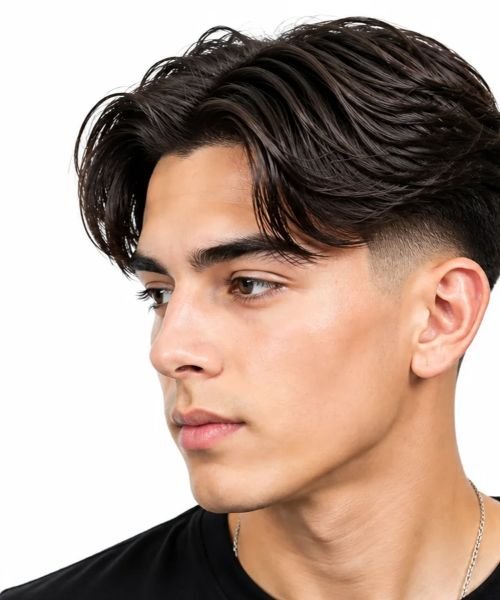
Most men need a fresh low taper fade every three to four weeks. Human hair grows about half an inch a month, and Asian hair grows straight out, so the outline softens quickly at the ears and nape.
Use this guide:
- Every two to three weeks: If you want a crisp skin finish at the bottom.
- Every three to four weeks: For a natural taper that still looks tidy.
- Every five to six weeks: For a relaxed look with a longer top. Expect a softer edge.
Between visits, a few small habits help:
- Clean the neckline. Use a trimmer to tidy stray hairs on the nape of the neck, but leave the fade line alone.
- Wash with care. Shampoo a few times a week and condition the top to control frizz.
- Dry properly. Blow-dry with a nozzle to control direction and reduce volume.
- Reset the style. A quick spritz of water and a pinch of product revives the look.
A neckline cleanup visit at the barbershop often costs less than a full haircut, so it is a smart way to stretch the time between cuts. Avoid cutting your own taper at home. It is easy to create a gap you cannot fix.
Common Mistakes to Avoid
- Going too short on the sides. On thick hair, this makes the top look tall and boxy.
- Skipping the consultation. If you never describe the top length, the barber guesses.
- Over-thinning. Too much thinning makes hair patchy and spiky.
- Using too much product. Dense hair gets weighed down and looks greasy fast.
- Ignoring the neckline. A messy nape ruins a good taper within days.
- Washing with very hot water or harsh shampoo. This can dry out hair and leave it frizzy.
- Waiting too long between cuts. The taper loses its shape, and the haircut starts to look unplanned.
Final Takeaways
A low taper fade gives Asian hair a clean, controlled shape without sacrificing length on top. Choose the top style to fit your hair type: a crop or fringe for straight strands, a quiff or slick back for thick hair, and a softer textured look for waves.
Tell your barber the fade height, the guard numbers, and the top length, and bring a photo. Keep the neckline tidy, book a trim every three to four weeks, and use a matte product that suits your hair. That is the whole routine. Do that, and the cut will keep looking sharp between visits.
Frequently Asked Questions
What is a low taper fade for Asian hair?
It is a haircut where the sides and nape shorten gradually from just above the ears, leaving longer hair on top. It controls dense, straight hair without looking severe.
Is a low taper fade good for straight Asian hair?
Yes. Straight hair shows clean lines, so the gradient looks sharp and polished. Pair it with a fringe, side part, or textured crop.
Does a low taper fade work on wavy Asian hair?
Yes. Keep three to four inches on top so the waves have weight, and use sea salt spray or cream to define them.
How do you get a low taper fade on thick Asian hair?
Ask for the taper to stay low and for light texturizing on top. This removes bulk without creating a shelf at the blend.
How often should you maintain a low taper fade?
Every three to four weeks for most men. Book every two to three weeks if you want a crisp skin finish.
