

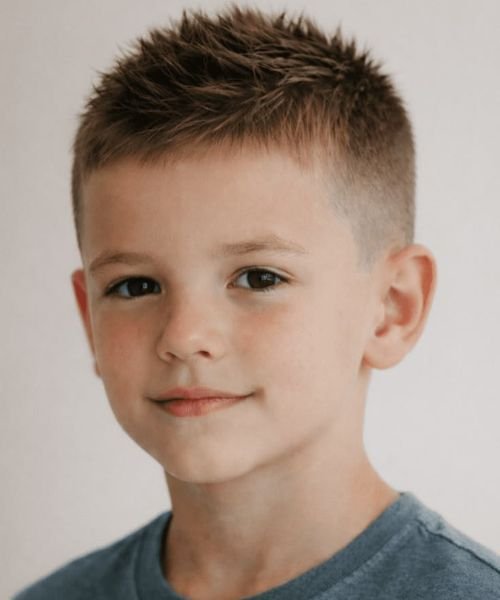
Straight hair gets a bad reputation. It falls flat by midday, shows every cowlick, and seems to refuse every attempt at style. Yet the same hair that frustrates parents can make some of the sharpest looks possible. Clean lines, neat parts, and crisp fades all show up beautifully on straight strands.
The trick is choosing a cut that works with the hair’s natural direction rather than against it.This guide walks through 20 boys’ haircuts for straight hair that hold their shape in 2026, from short crops and classic crew cuts to medium fringes and longer slicked styles.
You will also learn how to pick a cut by age, face shape, and hair thickness, how to add texture with the right products and a quick blow-dry, and exactly what to say when you sit down in the barber chair. Every section is written for busy parents and teens who want results without a daily styling routine.
What Makes Straight Hair Different, and Why Most Haircut Guides Fail It
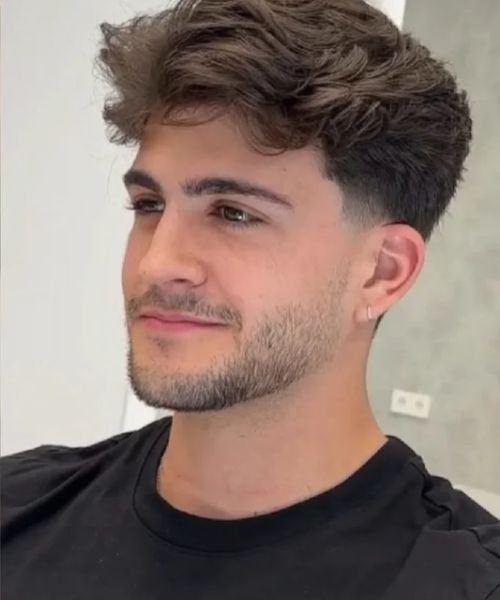
Most haircut guides were written with wavy or curly hair in mind. They suggest tousled layers, heavy texture, and bounce that straight hair simply does not produce on its own. When a straight-haired boy copies a photo of a curly-haired model, the result often looks flat, shapeless, or unfinished.
Straight hair has a different structure. Each strand lies in the same direction, so light reflects evenly and the hair shows its shape clearly. This is an advantage for clean, geometric cuts because the lines stay sharp. The downside is that straight hair has little natural lift at the root, and gravity pulls it down quickly. A good cut for this hair type needs to account for both.
The Volume Problem Nobody Talks About
Volume is the main complaint from families with straight hair, and it usually comes from one of three causes. The first is weight. Long hair with no internal layering collapses under its own length. The second is scalp oil, which makes fine strands cling together. The third is the cut itself, when stylists remove too much from the crown and leave the top hanging.
The fix starts in the barber chair. A stylist who understands straight hair will leave slightly more length on top, add internal texture, and avoid taking the top so short that it has nothing to hold. Products and drying technique finish the job, and both are covered later in this guide.
What Straight Hair Does Well

Straight hair has real strengths that are easy to overlook. It holds a side part for hours without help, and a hard part stays crisp. It grows out evenly, so a haircut keeps its shape longer than curly styles that spring up unevenly. It also responds well to fades, because the smooth surface blends cleanly into the skin. A straight-haired boy can wear a sharp taper that would look messy on a boy with heavy curls.
Most importantly, straight hair is low maintenance when the cut is right. Many of the styles in this guide need only a quick comb and a light product on busy mornings.
What to Avoid If Your Son Has Straight Hair
Some choices work against straight hair almost every time. Avoid heavy layering through the crown, because it removes the density that gives the top its body. Skip thick creams and oils, which weigh strands down and make them look greasy by lunchtime. Be careful with very long, one-length cuts, since they tend to hang straight down and hide the face shape. Finally, avoid cuts that require a lot of daily product to look finished. A style that takes twenty minutes each morning rarely stays in the rotation for long.
Which Hair Cut Is Best for Straight Hair Boys?

There is no single best cut, because the right choice depends on who is wearing it. A ten-year-old who wants a neat, school-friendly look has different needs than a seventeen-year-old who wants a statement. The fastest way to narrow the options is to start with three questions: how old is the boy, what is his face shape, and how thick is his hair?
The Top 3 Picks by Age Group
Ages 5 to 8: A classic crew cut or a short textured crop. Both are easy to maintain and forgiving of cowlicks.
Ages 9 to 12: A side part with a low fade or a French crop. These look polished, suit school dress codes, and give enough length to play with.
Ages 13 to 18: A textured crop with a mid fade, a two block, or a slicked back undercut. Teens usually want more personality, so these cuts offer a bolder shape while still looking intentional.
How to Choose by Face Shape
Face shape guides the balance between height and width. The goal is to create contrast with the cut rather than mirror the outline of the face.
- Round faces: Add height on top. A textured crop or a comb over with length in front softens the roundness.
- Oval faces: This is the most flexible shape. Almost any cut on this list will work, so choose based on style.
- Square faces: Soften the strong jaw with a bit of fringe or side swept length. Avoid flat tops that widen the look.
- Oblong faces: Keep the sides fuller and avoid extra height. A fringe shortens the appearance of a long face.
- Heart faces: Balance a wide forehead with a fringe or curtain bangs, and keep the sides slightly fuller at the jaw.
- Diamond faces: Add fullness at the temples and avoid very short sides that make the cheekbones look wider.
How to Choose by Thickness
Thickness changes how a cut sits and how much it needs to hold.
- Fine straight hair: Choose cuts with internal layers and a bit more length on top, such as a textured crop or curtain bangs. Short, flat cuts can make fine hair look thinner.
- Medium straight hair: Almost every style on this list suits medium thickness. Focus on the face shape and the desired length.
- Thick straight hair: Ask for point cutting or thinning shears to reduce bulk. A thick, heavy top can be shaped into a sharp, clean silhouette with the right technique.
Short Boys’ Haircuts for Straight Hair
Short cuts are the easiest starting point for most families. They are quick to dry, simple to comb, and easy to keep tidy between visits. The seven styles below cover a wide range of ages and personalities.
Textured Crop with Mid Fade
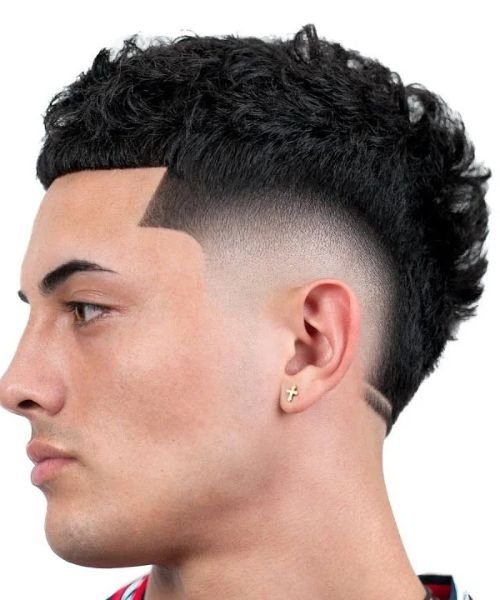
The textured crop has become one of the most requested cuts for 2026. The top is cut short but leaves enough length to be pushed forward and textured with the fingers, while the sides fade smoothly into the skin. For straight hair, the key is leaving a small amount of length at the front so the strands have something to lift.
This cut works well for school because it looks deliberate without being long. Expect to visit the barber every three to four weeks to keep the fade sharp.
Best for: Boys aged 10 and up with medium or thick straight hair.
French Crop
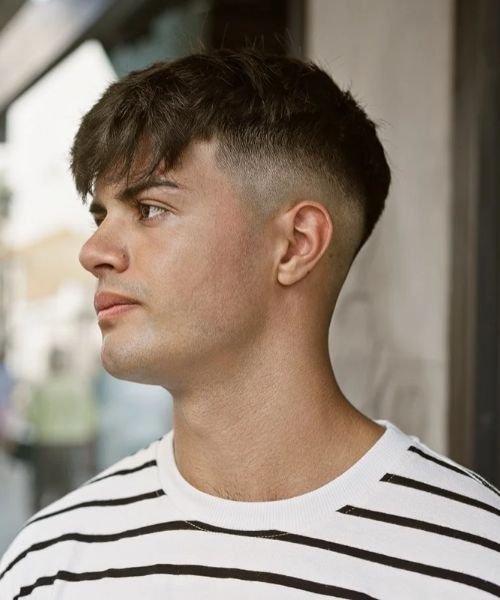
The French crop is a short, neat cut with a cropped top and a short fringe that sits just above the forehead. The fringe is brushed forward and softly textured, which gives straight hair a lift without much product. The sides are usually tapered for a clean finish.
It is ideal for boys who want a tidy look that still feels current. The fringe does need trimming regularly, so plan on a visit every four weeks.
Best for: Boys who want a polished, school-appropriate look.
Side Part with Low Fade
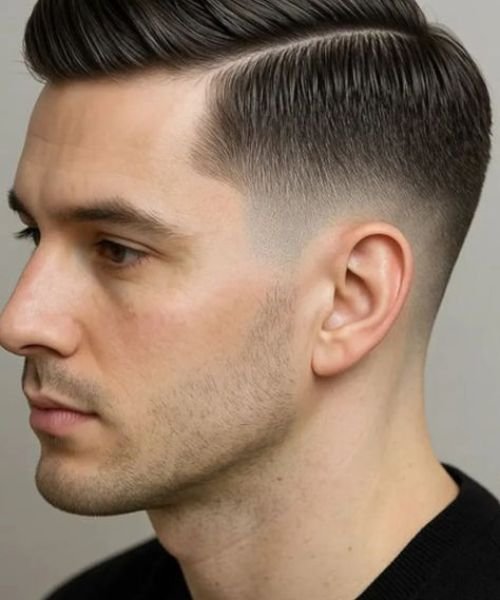
This timeless cut uses a defined side part as the anchor. The top is combed to one side and held in place with a light product, while a low fade keeps the sides neat around the ears and neckline. Straight hair holds a side part very well, which makes this one of the most reliable styles on the list.
The low fade is subtle enough for conservative schools, yet it adds a modern edge. Boys with cowlicks near the crown should ask the barber to work around the swirl so the part lies flat.
Best for: Pre-teens and teens who want a clean, classic look.
Crew Cut
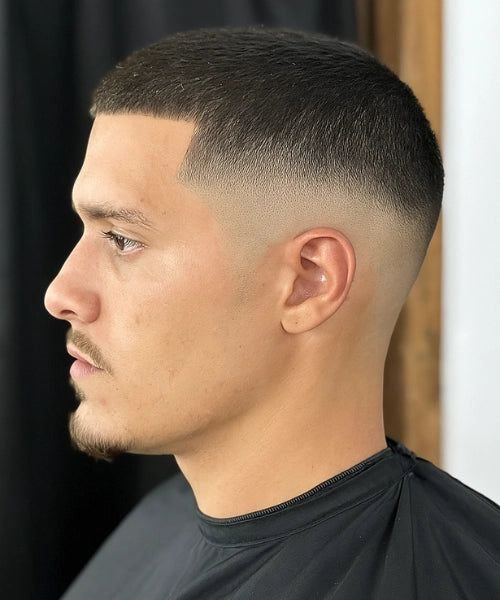
The crew cut is short on the sides and slightly longer on top, typically around one to two inches. The top is combed upward and slightly forward, creating a bit of lift at the crown. It is one of the easiest cuts for straight hair because the hair naturally stands up when brushed.
This style is perfect for active boys, sports players, and younger children. It requires almost no styling and grows out cleanly over several weeks.
Best for: Ages 5 to 12, and any boy who wants minimal maintenance.
Edgar Cut
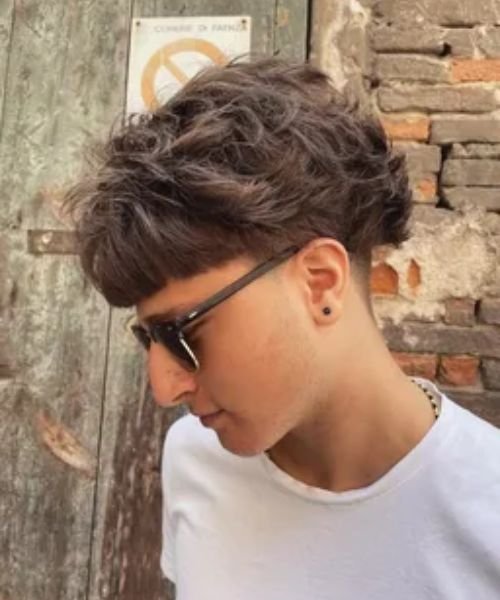
The Edgar cut is a blunt, squared-off style with a flat top and a sharp, straight line across the forehead. It suits straight hair beautifully because the hard edges stay crisp. The top is kept at a consistent length, and the sides are cut close with a clean line-up around the hairline.
Because the shape is so precise, the Edgar requires regular trims to keep the outline sharp. Keep the top slightly thicker for fine hair so it does not look too stiff.
Best for: Teens who like a bold, structured look.
Buzz Cut with Line-Up
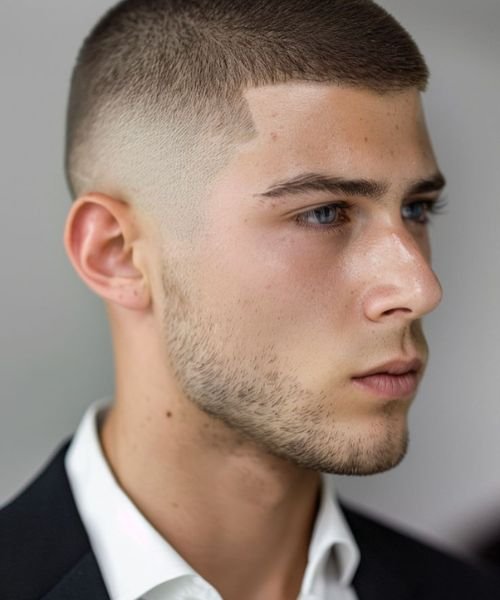
The buzz cut is the shortest style on this list, usually set with clippers at a uniform length. Adding a line-up, which is a crisp outline along the hairline and temples, turns a simple buzz into a sharp, deliberate look. Straight hair grows back evenly after a buzz, so the cut stays neat for a long time.
This style is excellent for hot weather, sports, and boys with very thick hair who want less bulk. It works best when the barber keeps the length consistent across the head.
Best for: Boys who want the lowest maintenance option possible.
Caesar Cut
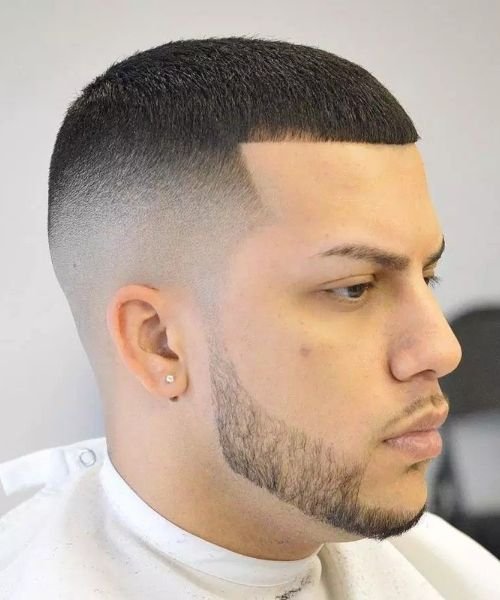
The Caesar cut features short hair on the sides and a short, forward-brushed fringe across the forehead. The top is cut to a uniform length and combed forward, giving a bold, clean silhouette. Straight hair works well here because the fringe lies flat and frames the face without effort.
It suits boys with oval or heart-shaped faces particularly well. Ask for a slightly longer front section if the hair is fine, so the fringe has enough weight to hold its shape.
Best for: Boys with oval or heart faces who like a classic, confident look.
Medium Length Haircuts for Boys with Straight Hair

Medium cuts allow straight hair to show its natural movement. They offer more flexibility for style and face framing, and they give parents and boys room to experiment. The six styles below cover fringes, parts, and sweeps.
Curtain Bangs with Taper

Curtain bangs are longer, center-parted fringes that split and sweep to each side of the face. Paired with a tapered back and sides, they create a soft, modern look that frames the eyes. Straight hair is ideal for this cut because the parted fringe falls naturally without curling.
The taper keeps the cut from looking heavy around the ears. Expect to trim the bangs every five to six weeks to keep them from covering the eyes.
Best for: Boys with oval or heart-shaped faces and fine to medium hair.
Two Block
The two block is a popular teen cut with a clear division between the longer top and the shorter sides and back. The top is kept longer and combed up or forward, while the sides are faded or tapered. This contrast creates structure and makes straight hair look full on top.
For best results, ask the barber to leave enough length in the crown to add height. The two block grows out in stages, so it stays wearable between cuts.
Best for: Teens with medium or thick straight hair who want a sharp, layered look.
Comma Hair

Comma hair is a sweeping style with a short, curved fringe that flicks outward at the forehead. It has a retro feel and suits boys who like something playful but still neat. The top is left slightly longer and styled with a light product to hold the curve.
Straight hair holds the comma shape well as long as the product is light enough not to weigh it down. A small amount of volumizing mousse at the roots helps the curve stay lifted.
Best for: Boys who want a distinctive, vintage-inspired look.
Side Swept with Fade

The side swept cut sends the fringe and top sweeping to one side, usually with a mid fade on the sides. It is a balanced, grown-up style that looks great on medium-length straight hair. The fade keeps the sides tight, while the swept top adds movement.
Use a blow dryer with a round brush to set the sweep for a few seconds. This small step makes a big difference on straight hair.
Best for: Teens who want a modern, clean silhouette.
Angular Fringe
The angular fringe is a sharp, geometric front section that cuts across the forehead at a diagonal. It makes a bold statement and suits boys with strong features who want to draw attention to the face. The rest of the hair is usually tapered for contrast.
Because the fringe is so defined, it needs regular trims to maintain its angle. Straight hair holds the diagonal line well, so the look stays crisp between appointments.
Best for: Boys with square or oblong faces who want a structured look.
Hard Part with Comb Over
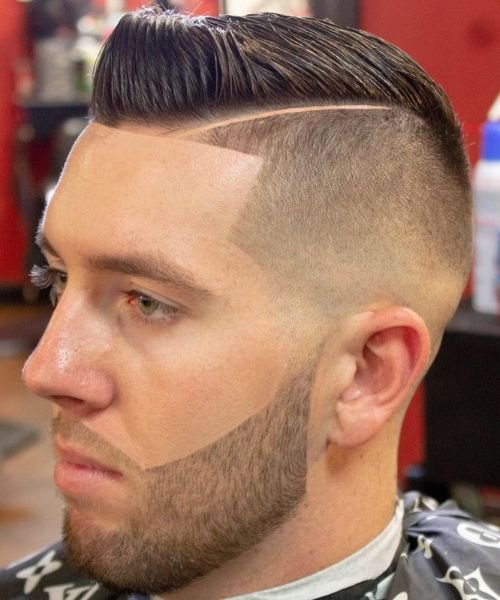
The hard part is a sharp, shaved line cut into the hair, usually on one side. Paired with a comb over, it creates a polished, almost retro shape. Straight hair is perfect for this look because the part stays visible and the top lies flat in a neat sweep.
Ask the barber to keep the top slightly fuller near the front so the comb over does not look flat. A matte paste gives enough hold without shine.
Best for: Teens who want a sharp, professional appearance.
Long Haircuts for Boys with Straight Hair

Longer styles need more care, but they can look striking on straight hair. The three styles below work best for teens who are comfortable with a bit more upkeep and want a distinctive silhouette.
Bro Flow

The bro flow is a long, relaxed cut with hair swept back from the forehead and falling over the ears and neck. The top is left full, and the sides are kept slightly tapered so the hair does not look bulky. It has a laid-back, athletic feel.
Straight hair works well here because it falls smoothly and shows the flow clearly. Ask the barber to add internal layers so the length does not hang heavily. Trims every six to eight weeks keep the shape balanced.
Best for: Teens with straight hair who want a relaxed, long look.
Ivy League with Length
The Ivy League is a classic preppy cut with a short back and sides and a longer top that is combed neatly to one side. Adding length to the top gives it a more modern proportion while keeping the traditional structure. The result looks tailored and polished.
This style is excellent for teens who need a neat look for school or family events. A light cream or pomade keeps the top in place without shine. Expect to visit the barber every four to five weeks.
Best for: Teens who want a refined, traditional style with more length.
Slicked Back Undercut
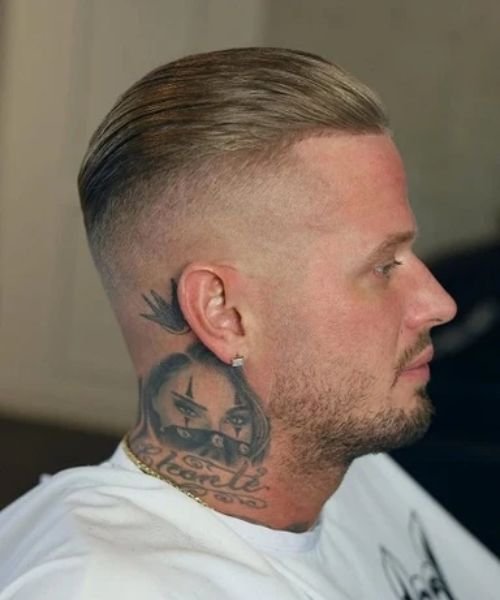
The slicked back undercut has short sides and a longer top that is combed straight back. The contrast creates a bold, edgy shape, and the slick finish suits straight hair beautifully. The hair stays in place once it is set with a light pomade.
Straight hair needs a small amount of product to avoid looking greasy. A matte pomade or a water-based product is usually the best choice. Ask the barber to leave enough length on top so the slick back has body.
Best for: Teens who like a sharp, confident look with a bit of attitude.
Trendy Boys’ Straight Hair Cuts in 2026
Trends move fast, and some of the newest styles are worth a closer look. The four cuts below are popular right now, though each comes with trade-offs worth understanding before you book the appointment.
Blowout Taper Honest Assessment
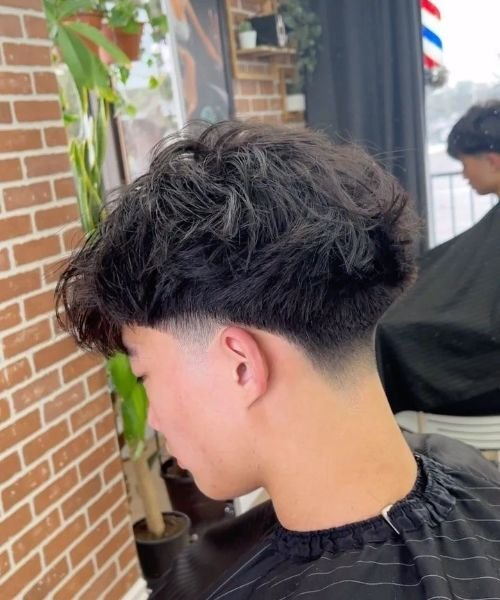
The blowout taper is a shorter version of the blowout style, with longer, voluminous hair on top and a tapered finish on the sides. It is designed to look like a fresh salon blowout, with lift and movement through the top. On straight hair, it can look excellent when the cut is layered well and dried with a round brush.
The honest truth is that the blowout taper needs daily effort. Without a blow dryer and a volumizing product, the top can fall flat within hours. It is a good choice for teens who enjoy styling, but it is not the best option for busy families who want a grab-and-go cut.
Best for: Teens who are willing to spend five minutes styling each morning.
Fluffy Fringe
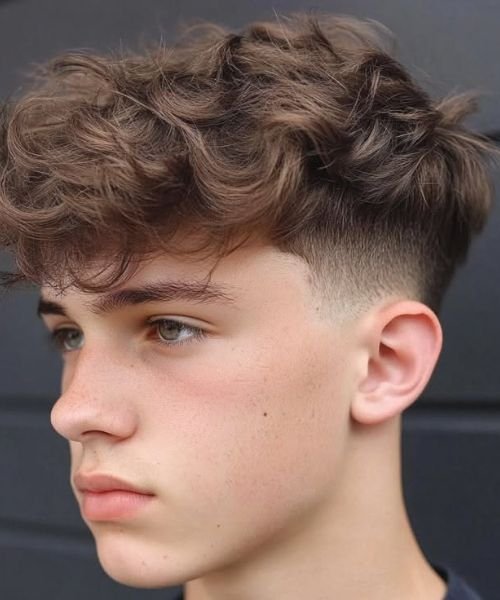
The fluffy fringe is a soft, rounded fringe that sits just above the eyebrows and has a light, airy finish. It adds softness to the face and suits boys who want a friendlier look. Straight hair can look flat with this cut, so the fringe needs gentle lifting with a blow dryer to achieve the full effect.
Ask the barber to add texture with point cutting so the fringe does not look blunt. A sea salt spray or a light mousse helps the fluffy shape hold through the day.
Best for: Younger teens and pre-teens who like a soft, approachable style.
Disconnected Undercut
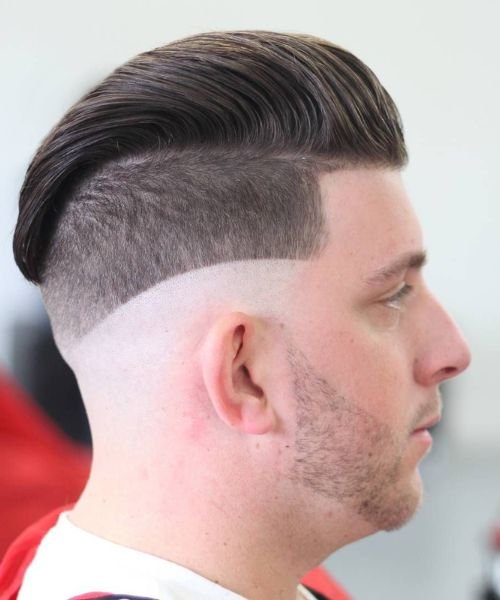
The disconnected undercut features a clear, sharp line between the longer top and the very short sides and back. Unlike a traditional undercut, the top and sides are separated by a visible gap, which creates a bold, modern contrast. It works well on straight hair because the top can be combed, textured, or swept depending on the boy’s preference.
This style requires regular upkeep at the sides to keep the disconnection crisp. Every three to four weeks is usually the right interval.
Best for: Teens who want a striking, high-contrast look.
Executive Contour
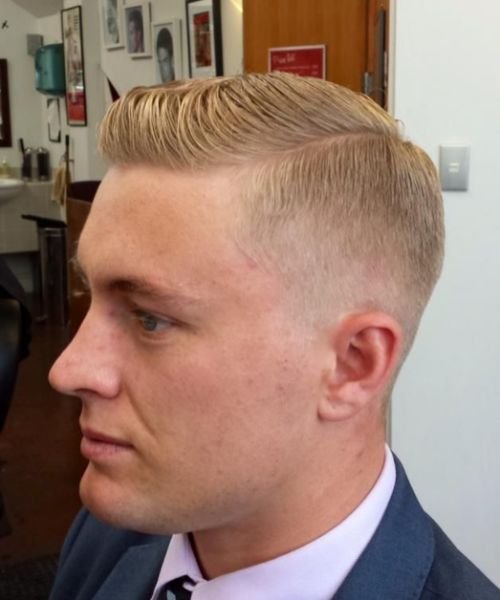
The executive contour is a refined, layered style with a clean, tapered outline and a neatly shaped top. It has a mature, professional look that suits older teens and young adults. The layers add movement without making the hair look messy, which is a good balance for straight hair.
The executive contour does not need heavy product, but it does need a precise trim. Ask for a slight taper at the nape and around the ears for the cleanest finish.
Best for: Older teens who want a sophisticated, grown-up cut.
What Haircut Suits a 12-Year-Old Boy with Straight Hair?

Age 12 is a turning point. Many boys start to care about their appearance, yet parents still want a cut that is practical and school-friendly. The best options balance a fresh look with easy upkeep.
Best 5 Cuts for 12-Year-Olds with Straight Hair

- Textured crop with a low fade: Modern, easy to comb, and suitable for most schools.
- Side part with a low taper: Neat and classic, with a defined part that holds well on straight hair.
- French crop: Tidy and current, with a fringe that adds personality.
- Crew cut: Simple and practical, ideal for active boys who play sports.
- Curtain bangs with taper: A softer option for boys who want a bit more length in front.
School Dress Code at 12
Most schools focus on tidiness rather than length. A cut is usually acceptable if it is neat, does not cover the eyes, and does not include shaved designs or unusual colors. Some schools ban patterns cut into the hair, so check the handbook before scheduling a design-heavy style.
Also Read This: Curly Mullet Hairstyles for Women
Before the first day of term, ask the barber to keep the fringe above the eyebrows and the sides clean. This simple step prevents most dress code issues.
What 12-Year-Olds Want vs. What Parents Want
Boys at this age usually want a cut that looks current and matches their friends. Parents often want something low maintenance, affordable to keep up, and easy to explain to a barber. These goals can meet in the middle.
A good approach is to choose a cut together. Let the boy pick between two or three options that meet your practical needs. He feels heard, and you keep control of the upkeep. A textured crop or side part usually satisfies both sides.
How to Add Texture and Volume to Straight Boys’ Hair
A good cut does most of the work, but the right routine finishes the look. Straight hair responds well to a few simple habits that add lift without heavy styling.
The Right Cut Adds Texture
Texture starts in the salon. Ask the barber to use point cutting or texturizing shears through the top, which creates small, uneven ends that help strands separate. This removes the flat, blunt edge that makes straight hair look heavy. Internal layering also helps by removing weight from the underside so the top can lift.
Products That Work on Straight Boys’ Hair
The right product depends on the hair type and the desired finish.
- Sea salt spray: Adds grit and texture for a tousled, natural look.
- Volumizing mousse: Lifts roots and adds body, especially for fine hair.
- Matte clay: Gives hold and a dry, textured finish without shine.
- Light pomade: Helps slicked or swept styles stay in place with a soft sheen.
- Lightweight styling cream: Smooths flyaways and adds subtle definition.
Start with a small amount. A pea-sized dab of clay or pomade is usually enough for short hair. Medium and long hair may need slightly more, but always work the product through the hands first to avoid clumps.
Blow-Drying Technique for Volume in 3 Minutes
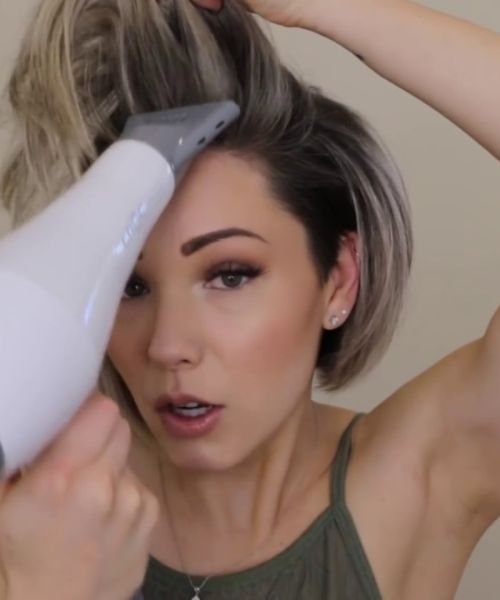
A quick blow-dry can add noticeable lift to straight hair in only a few minutes. Follow these steps:
- Towel dry the hair until it is about 80 percent dry, then apply a small amount of volumizing mousse at the roots.
- Use a round brush or a flat brush with the hair pulled upward and slightly forward.
- Dry the top with the nozzle pointed at the roots, moving the brush in short, quick strokes.
- Finish with a short burst of cool air to set the shape.
This routine takes about three minutes and works well for both fine and medium hair. For thick hair, add an extra minute to dry the roots fully.
What NOT to Use on Straight Boys’ Hair
Some products look helpful but actually weaken the style. Thick creams and heavy oils make straight hair greasy and flat. Strong gels can leave a crunchy finish that cracks when the hair moves. Too much hairspray stiffens the strands and makes them look unnatural. If a product leaves residue or a heavy shine, it is probably too rich for straight hair.
How to Tell Your Barber Exactly What You Want
A clear conversation with the barber prevents most haircut disappointments. The phrases below help you describe the cut you want, and the scripts can be adapted to any style in this guide.
Barber Script for Short Styles
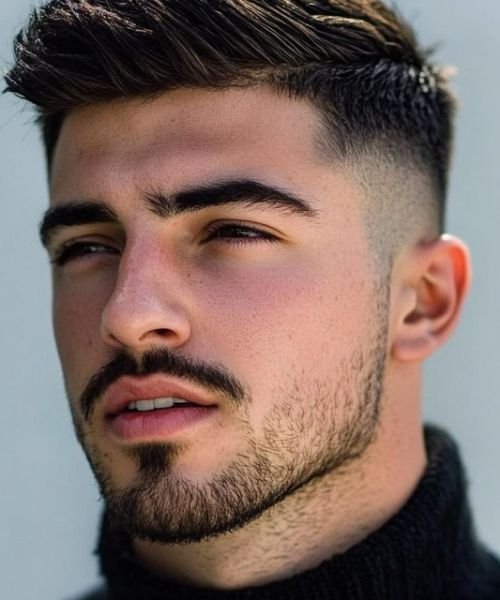
“I’d like a textured crop. Keep the top about two inches long, leave a bit more length at the front so I can push it forward, and taper the sides into a mid fade. Please keep the neckline clean and make sure the fringe sits just above the eyebrows.”
For a crew cut, try this: “Short on the sides, about one and a half inches on top, with a slight lift at the crown. Use clippers around the ears and finish with scissors on the top for a clean line.”
Barber Script for Medium Styles
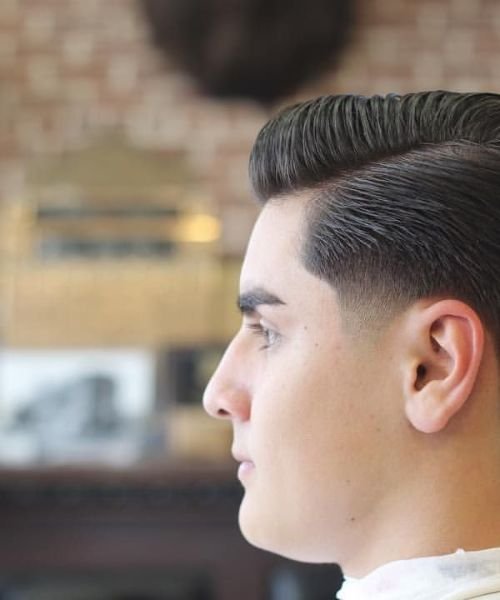
“I’m looking for curtain bangs with a taper. Part the fringe in the center, leave it long enough to sweep to each side, and taper the back and sides into a low fade. Please add some internal layers so the top doesn’t sit flat.”
For a two block: “Keep the top longer, around three inches, with the sides faded to a number two guard. I want the top to lift up and forward, so please leave some weight in the crown.”
Barber Script for Long Styles
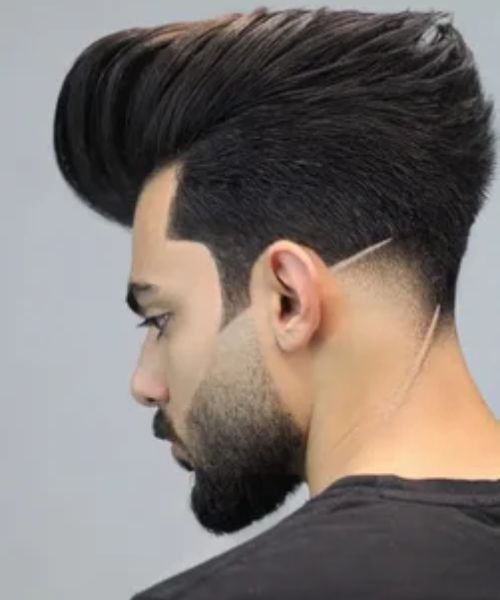
“I want a bro flow. Leave the top full and long enough to comb back from the forehead, taper the sides lightly over the ears, and add layers to keep the length from hanging heavy. My hair is straight and fine, so please avoid cutting too much from the crown.”
The One Thing to Always Mention
Always tell the barber that the hair is straight, and mention whether it is fine, medium, or thick. This single detail changes how the stylist cuts the layers, the length on top, and the amount of thinning. A barber who knows the hair type will avoid cutting too short on top and will shape the cut to hold its volume.
School-Safe Straight Hair Cuts That Still Look Good

School rules vary, and most policies focus on neatness rather than style. Knowing the common restrictions helps you choose a cut that looks sharp without causing a dress code problem.
Cuts That Pass Every Policy
Most schools accept these styles without concern:
- Crew cut
- Side part with low fade
- French crop
- Textured crop with a conventional taper
- Ivy League
- Executive contour
These cuts keep the hair off the forehead and eyes, avoid shaved designs, and have no unusual shapes or colors.
What Schools Actually Ban
Schools tend to restrict a few specific features. Shaved lines or patterns cut into the head are the most common issue. Extreme colors, very long hair that covers the face, and hairstyles that distract from learning are also frequently discouraged. Some schools prohibit hair that falls below the collar or sits in the eyes, so check the handbook for exact wording.
When in doubt, email the school or check the student handbook. A short message can save a rushed trip to the barber.
Middle School vs High School Rules
Middle schools often have stricter rules than high schools, especially for younger students. A conservative cut like a crew cut or side part with a low fade is usually safest for grades six through eight. High schools tend to allow more personal expression, so two blocks, angular fringes, and textured crops are more commonly accepted.
Regardless of level, a clean neckline, tidy sides, and a fringe that stays above the eyebrows will meet almost any policy.
How Often Should Straight Hair Boys Get a Haircut?
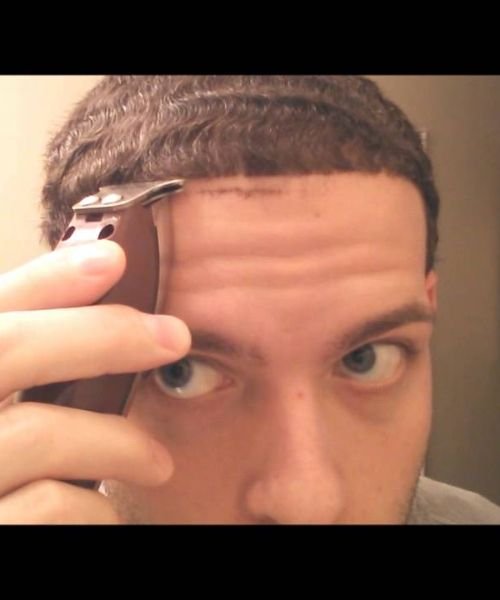
Maintenance frequency depends on the cut. Short styles with sharp fades need more frequent trims, while longer styles can go several weeks between visits.
As a general guide, short cuts with fades look best every three to four weeks, medium cuts every four to six weeks, and long styles every six to eight weeks. Fades lose their definition first, so a sharp line around the ears and neckline is usually the first sign that a trip is due.
Cost Over a Full Year
Prices vary widely by region and salon, so the figures below are estimates only. A basic cut at a barbershop often costs less than a salon appointment, and a child’s cut is usually priced lower than an adult’s. Booking every four weeks for a short style can add up to roughly thirteen visits a year, while a cut every eight weeks for a longer style means about six visits.
Multiply the number of visits by your local price to estimate the annual cost. Many barbers offer loyalty cards or family pricing, which can reduce the total.
Signs It Needs a Trim Now
Watch for these signs that the hair needs attention:
- The fade has blurred and no longer looks crisp.
- The top falls over the eyes or into the face.
- The neckline grows past the collar line.
- The shape has lost its structure and looks uneven.
- The fringe no longer sits in the intended position.
Catching these early keeps the cut looking fresh and prevents the need for a dramatic correction later.
Frequently Asked Questions
What is the easiest boy haircut for straight hair?
The crew cut is the easiest option. It needs only a quick comb and a light product, and it grows out cleanly between visits.
Can boys with fine straight hair get a fringe?
Yes. A textured fringe or curtain bangs work well on fine hair, especially when the barber adds internal layers to create lift.
Do boys with straight hair need a lot of products?
No. Most styles need only a pea-sized amount of clay, pomade, or sea salt spray. Heavy products tend to weigh straight hair down.
How do I make straight hair look thicker?
Ask for point cutting on the top, use a volumizing mousse at the roots, and blow-dry the hair upward with a round brush.
What haircut hides a cowlick on straight hair?
A textured crop or a French crop with a slight forward push usually disguises a cowlick. Ask the barber to cut around the swirl for the flattest result.
Are fades bad for straight hair?
No. Fades suit straight hair well because the smooth surface blends cleanly into the skin. The main requirement is regular trims to keep the line crisp.
How long does it take to grow out a boys haircut?
Most cuts start to look untidy after four to six weeks, though short styles can hold their shape for slightly longer. Ask your barber for a cut that grows out in stages.
What is the best haircut for a 12-year-old boy with straight hair?
A textured crop with a low fade or a side part with a low taper are both excellent choices. They look current, suit most schools, and are easy to maintain.
Should I bring a photo to the barber?
Yes. A photo helps the barber understand the look you want. Pair it with a spoken description that mentions your son’s hair type and preferred length.
Can straight hair handle a mohawk or spiky style?
Yes, though it needs more product and a strong hold. Ask for extra length on top and use a matte clay for lift and shape.
Conclusion
Straight hair does not have to be a challenge. With the right cut, a little texture, and a clear conversation with the barber, a boy with straight hair can wear a sharp, confident look that holds up all day. Start by choosing a style that fits his age, face shape, and hair thickness, then use a quick blow-dry and a light product to finish it.
Keep the maintenance schedule realistic. A cut that grows out cleanly and suits his school environment will serve him far better than a complicated style that needs constant attention. When you are ready to book, bring a photo, describe the hair type, and let the barber guide the final shape. The result is a haircut that looks good on the first day and stays good for weeks.
